iso 17025 accreditation
-
-

Conformance Probability, False Acceptance, and False Rejection
Introduction With the ISO/IEC 17025 standard’s focus on risk in measurement decisions (i.e. decision rules), you should consider evaluating conformance probability. Have you ever wondered, “What is the chance that this measurement is in tolerance or out of tolerance?” No matter how great your measurement system is, results near tolerance limits make you […]
-
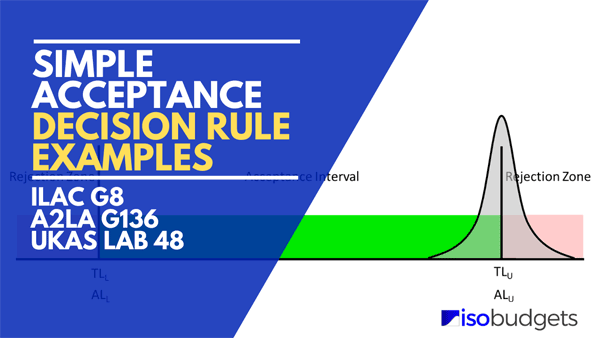
Simple Acceptance Decision Rule Examples
Key Takeaways: Simple Acceptance Definition: A decision rule where the acceptance limit is equal to the specification limit (no guard band is used). Shared Risk: Under this rule, both the producer and consumer agree to share the risk of a false acceptance/rejection. TUR Requirement: Typically requires a Test Uncertainty Ratio (TUR) of 4:1 or better […]
-
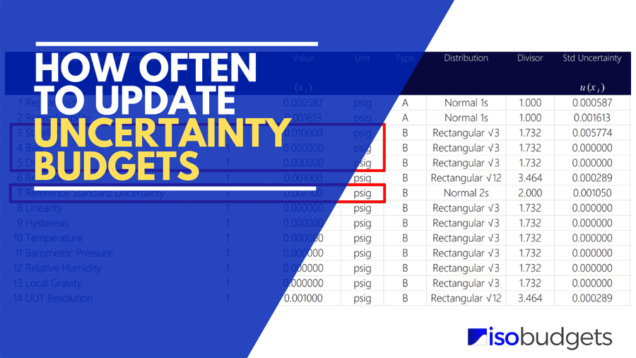
How Often to Update Uncertainty Budgets
Introduction A common question people ask is “When should I update my uncertainty budgets?” or “How often should I update my uncertainty budgets?” Since the question so common, I decided to create an article to answer the question and offer advice. In this article, you will learn more about the following: When to […]
-
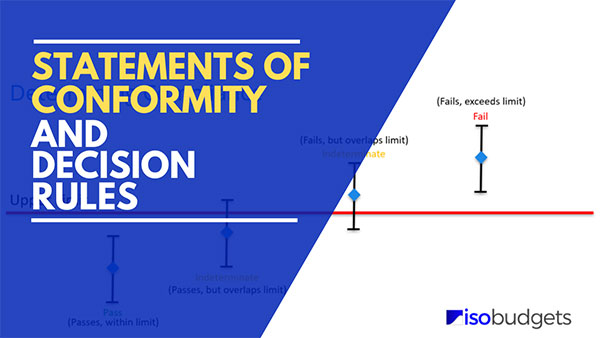
Statements of Conformity and Decision Rules for ISO 17025
Key Takeaways: Decision Rules & Conformity Statement of Conformity: A clear expression (Pass/Fail, In/Out of Tolerance) of whether a measurement meets a specific requirement. Decision Rule: The documented rule that describes how measurement uncertainty is accounted for when stating conformity. Risk Management: Decision rules must manage the probability of false acceptance (Consumer Risk) and false […]
-
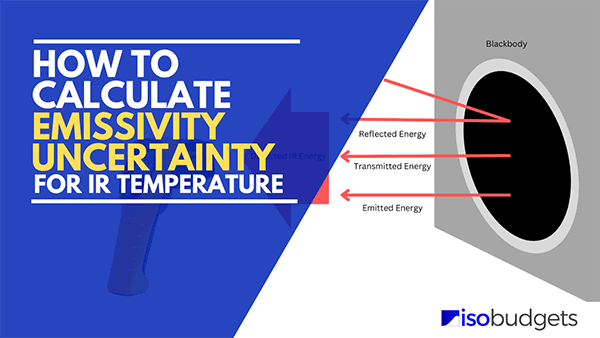
How to Calculate Emissivity Uncertainty
Introduction Emissivity is a source of uncertainty that affects IR temperature (i.e. radiation thermometry). It should be included in uncertainty budgets for blackbody calibrators and IR Thermometers. However, many ISO/IEC 17025 accredited laboratories have not included emissivity uncertainty in their budgets because their lab personnel did not know how to evaluate it. Furthermore, […]
-
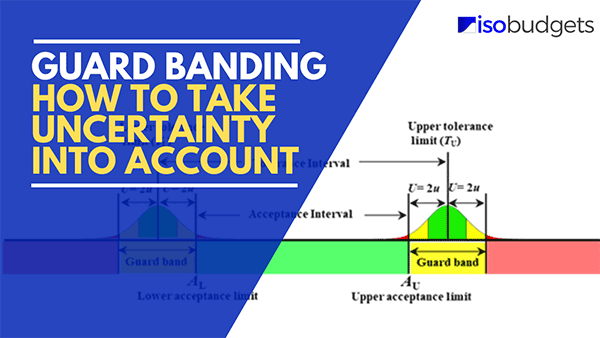
Guard Banding – How to Take Uncertainty Into Account
Key Takeaways: Guard Banding Strategies Definition: A guard band is a safety margin subtracted from (or added to) a specification limit to account for measurement uncertainty. Purpose: To ensure that the probability of a false acceptance (Consumer Risk) remains below a target level, typically 2% or 5% (PFA). Formula: Acceptance Limit = Specification Limit – […]
-
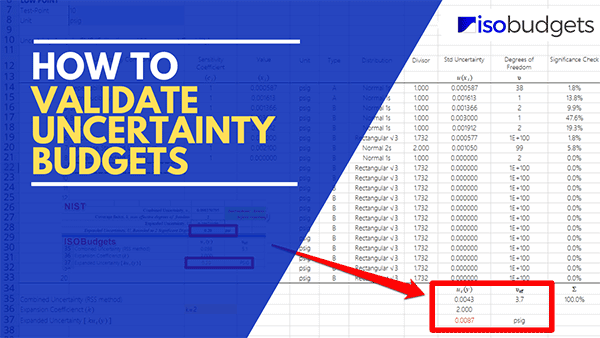
How to Validate Uncertainty Budgets and Calculators
Introduction Has your assessor ever asked you if you validate uncertainty budgets? If so, I know your pain. It is frustrating! You have spent countless hours estimating uncertainty and creating uncertainty budgets just to have an assessor discredit all your hard work. Unfortunately, they are not wrong. They just want to make sure that […]
-
-
How to Create a Scope of Accreditation for ISO/IEC 17025 Laboratories
Introduction A laboratory’s scope of accreditation is a key element of ISO/IEC 17025 accreditation and a vital asset to your customers. It lists all of the activities that your laboratory is accredited perform. However, many laboratories forget to consider its importance when getting accredited or reaccredited. They just rush to develop a scope of […]